Author: digiambala@gmail.com

  • Data Analytics: Transforming Data into Powerful Business Insights

    In today’s digital economy, data is one of the most valuable assets a company can own. Every online search, purchase, click, and interaction generates information. Organizations collect this data to understand customers, improve operations, and increase profitability. However, raw numbers alone are not useful. They must be processed, interpreted, and transformed into meaningful insights. This is the role of Data Analytics.

    Data analytics helps businesses make smarter decisions based on facts rather than assumptions. It combines technology, statistical methods, and analytical thinking to uncover patterns and trends. As industries become more technology-driven, analytics has evolved into a core business function rather than just a support activity.
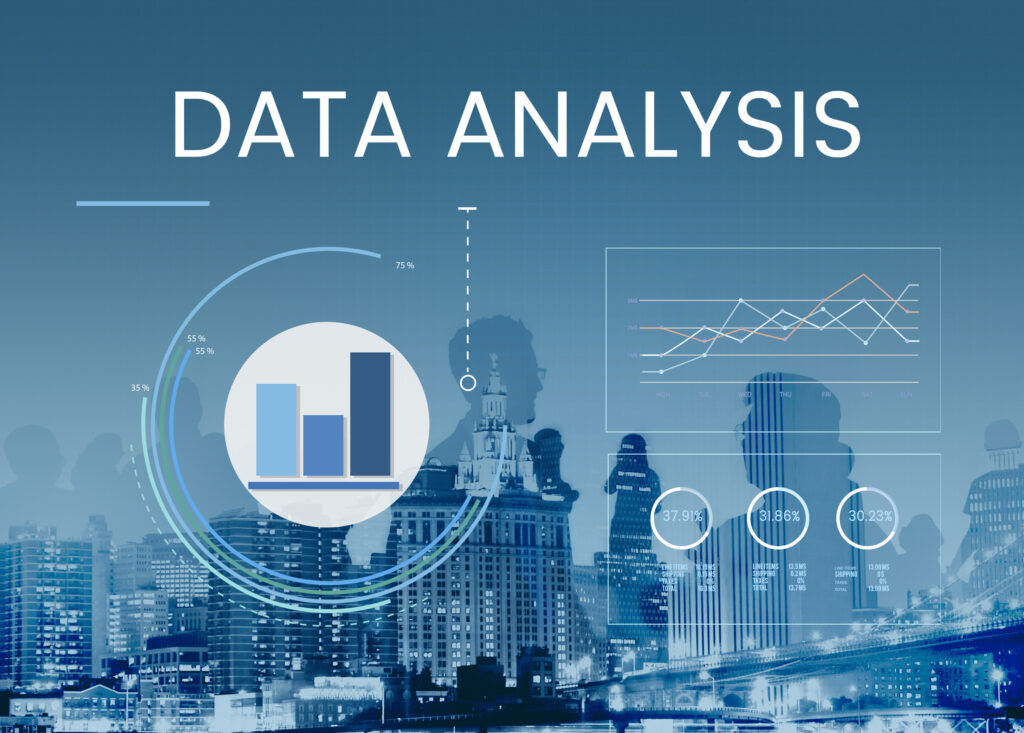
    Data Analytics
    Business data analysis

    What is Data Analytics?

    Data analytics is the process of examining datasets to draw conclusions about the information they contain. It involves collecting, cleaning, organizing, and analyzing data to support decision-making.

    The example of Data Science, global companies like Amazon analyze customer browsing and purchasing patterns to recommend relevant products. Similarly, Business intelligencestudies viewing habits to personalize content suggestions. These companies rely on advanced analytics to enhance customer experience and drive growth.

    Data analytics does not operate in isolation. It connects closely with fields such as Business Analytics, Big Data Analytics, and Data Science, each contributing unique techniques and perspectives.


    The Relationship Between Data Analytic and Business Analytics

    While data analytics focuses on interpreting raw data, Business Analytics applies those insights directly to business strategy. It emphasizes performance improvement, operational efficiency, and competitive advantage.

    Business leaders use analytics dashboards and reports to evaluate sales performance, customer retention rates, and marketing outcomes. Instead of guessing what might work, organizations use evidence-based strategies to guide their actions.

    For instance, companies use analytics platforms like Tableau and Power BI to convert complex datasets into easy-to-understand charts and dashboards. This process, known as Data Visualization, makes insights accessible even to non-technical stakeholders.


    The Role of Big Business Intelligence

    As technology advances, organizations now handle massive volumes of structured and unstructured information. This is where Big Business Intelligence becomes essential.

    Big data refers to extremely large datasets that traditional systems cannot process efficiently. These datasets may come from social media platforms, IoT devices, mobile applications, or customer databases. Managing and analyzing such large volumes requires advanced tools and cloud computing platforms like Amazon Web Services.

    Big data analytics helps companies:

    1.Bussiness intelligence Identify hidden patterns

    2.Detect fraud and anomalies

    3.Data science Optimize supply chains

    4.Predictive analytics Improve customer segmentation

    5.Forecast market trends

    Without big data technologies, many modern business innovations would not be possible.


    Predictive Analytics: Looking Ahead

    While traditional analytics explains what happened in the past, Predictive Analytics focuses on what might happen in the future. It uses historical data, statistical algorithms, and machine learning models to forecast outcomes.

    Retail companies predict demand for products. Financial institutions assess credit risks. Healthcare providers forecast patient admission rates. Predictive models allow businesses to prepare for upcoming opportunities and challenges.

    This approach reduces uncertainty and improves planning. Instead of reacting to problems after they occur, organizations can anticipate and prevent them.


    Data Science and Advanced Science & Data Examination

    Another closely related field is Data Science. While data analytics primarily focuses on analyzing existing data, data science combines analytics with programming, machine learning, and artificial intelligence to build predictive models and automated systems.

    Data scientists use programming languages such as Python and R to process complex datasets. They design algorithms that can learn from data and improve over time.

    For example, recommendation engines, fraud detection systems, and voice recognition technologies are outcomes of data science combined with advanced analytics.


    The Importance of Data Visualization

    Numbers alone can be overwhelming. This is why Data Visualization plays a crucial role in analytics. It transforms raw data into graphs, charts, and dashboards that are easy to interpret.

    Effective visualization helps decision-makers:

    A well-designed visual report can simplify complex analysis and make strategic planning more efficient.


    Applications of Data Visualization Across Industries

    Data analytics is not limited to one sector. It is used across multiple industries:

    Healthcare

    Hospitals analyze patient data to improve diagnosis accuracy and treatment efficiency.

    Finance

    Banks use analytics to detect fraudulent transactions and manage investment risks.

    Retail and E-commerce

    Retailers optimize inventory and pricing strategies using customer behavior data.

    Marketing

    Marketing teams evaluate campaign performance and customer engagement metrics.

    Manufacturing

    Companies improve production processes and reduce waste through data-driven insights.

    The ability to interpret data effectively gives organizations a competitive edge in every industry.


    Skills Required for a Career in Data Science

    Professionals in this field need both technical and analytical skills. Important competencies include:

    • Statistical knowledge
    • Data interpretation
    • Programming skills
    • Critical thinking
    • Problem-solving ability
    • Communication skills

    Communication is especially important. Analysts must present insights clearly so that business leaders can act on them confidently.


    Challenges in Data Science

    Despite its benefits, data analytics presents several challenges:

    • Data Science Managing large and complex datasets
    • Ensuring data privacy and security
    • Maintaining data accuracy
    • Integrating multiple data sources

    Organizations must implement proper data governance policies and invest in skilled professionals to overcome these challenges.


    The Future of Data Visualization

    The future of data analytics is closely connected to artificial intelligence and automation. As technology evolves, analytics tools will become more powerful and user-friendly. Real-time data processing will allow companies to respond instantly to market changes.

    Cloud computing and machine learning will continue to enhance the capabilities of analytics systems. Businesses that adopt data-driven strategies will remain competitive, while those that ignore analytics may struggle to keep up.

    Data literacy will become a fundamental skill for professionals across all roles, not just analysts. Understanding how to interpret and use data will be essential for career growth in the modern workforce.


    Conclusion

    Data analytics has transformed the way organizations operate. It enables better decision-making, improves efficiency, and drives innovation. From Business Analytics to Big Data Analytics and Predictive Analytics, each component contributes to a deeper understanding of information.

    When combined with Data Science and strong Data Visualization techniques, analytics becomes a powerful tool for growth and success. In a world where data continues to expand rapidly, the ability to analyze and interpret information effectively is no longer optional—it is essential.

    As industries evolve, data analytics will remain at the heart of strategic decision-making, shaping the future of businesses worldwide.
  • Digital Marketing Course: Your Complete Guide to Building a Future-Ready Career

    In today’s fast-paced digital world, businesses no longer rely solely on traditional marketing methods. From social media ads to search engine rankings, brands are competing online to capture attention, generate leads, and increase sales. This shift has created massive demand for skilled digital marketers. Enrolling in a digital marketing course is one of the smartest career decisions you can make right now.

    Whether you’re a student, entrepreneur, freelancer, or working professional, a digital marketing course equips you with practical skills that are in high demand across industries.

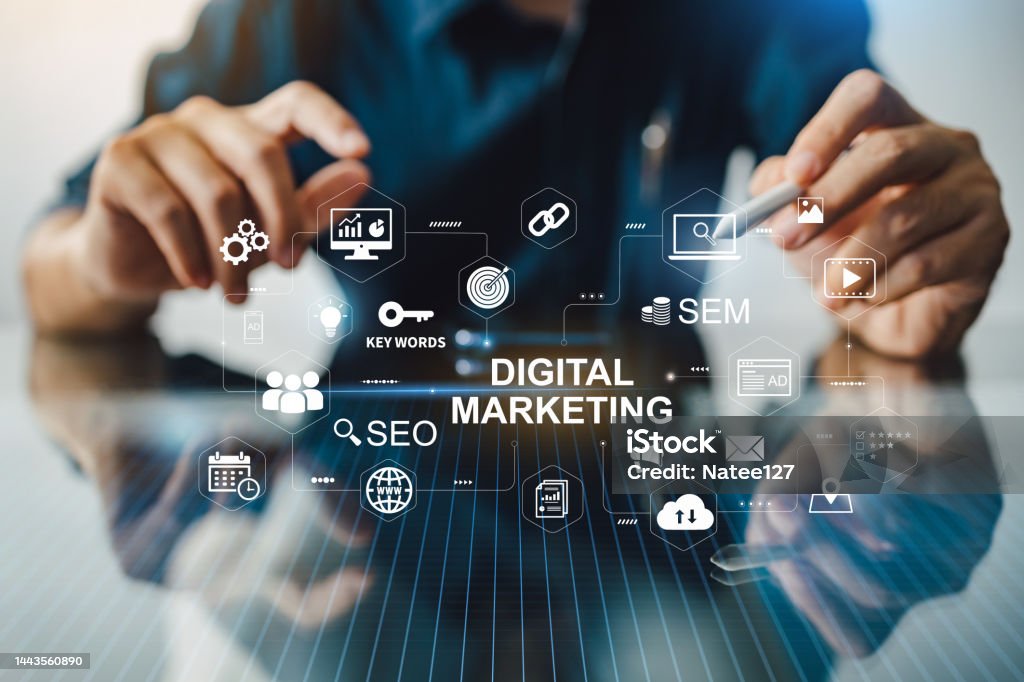
    digital marketing course
    Digital marketing business technology concept. Website advertisement email social media network, SEO, SEM video and mobile application icons in virtual screen.

    What Is a Digital Marketing Course?

    A digital marketing course is a structured training program that teaches you how to promote products and services using online channels. Unlike traditional marketing, digital marketing focuses on platforms such as search engines, social media, email, websites, and mobile apps.

    A comprehensive course typically includes:

    • Search Engine Optimization (SEO)
    • Social Media Marketing (SMM)
    • Pay-Per-Click Advertising (PPC)
    • Content Marketing
    • Email Marketing
    • Affiliate Marketing
    • Web Analytics
    • Online Reputation Management
    • E-commerce Marketing

    The goal is to provide both theoretical knowledge and practical exposure so you can execute real-world campaigns effectively.


    Why Is Digital Marketing So Important?

    The rise of platforms like Google, Facebook, Instagram, and YouTube has transformed the way consumers discover and interact with brands. Today, customers research products online before making purchase decisions.

    Here’s why digital marketing matters:

    1. Global Reach – Businesses can target audiences worldwide.
    2. Cost-Effective – More affordable than traditional advertising.
    3. Measurable Results – Track performance using analytics tools.
    4. Targeted Marketing – Reach specific demographics.
    5. Higher Engagement – Direct interaction with customers.

    A digital marketing course teaches you how to leverage these platforms strategically to drive measurable growth.


    Key Modules Covered in a Digital Marketing Course

    1. Search Engine Optimization (SEO)

    SEO is the process of optimizing websites to rank higher on search engines like Google. A course will teach you:

    • Keyword research
    • On-page and off-page SEO
    • Technical SEO
    • Link building strategies
    • Local SEO

    With SEO skills, you can increase organic traffic and improve website visibility.

    2. Social Media Marketing (SMM)

    Social media platforms such as Facebook, Instagram, LinkedIn, and Twitter allow brands to engage directly with audiences.

    You’ll learn:

    • Content planning and scheduling
    • Running paid ad campaigns
    • Audience targeting
    • Influencer marketing
    • Performance tracking

    3. Pay-Per-Click Advertising (PPC)

    PPC involves running paid ads on search engines and social media platforms. With tools like Google Ads, marketers can create highly targeted campaigns.

    A digital marketing course teaches:

    • Ad creation
    • Budget management
    • Bidding strategies
    • Conversion tracking
    • ROI analysis

    4. Content Marketing

    Content is the backbone of digital marketing. You’ll learn how to create blogs, videos, infographics, and social posts that attract and convert audiences. Platforms like YouTube play a major role in video marketing strategies.

    5. Email Marketing

    Email marketing remains one of the highest ROI channels. Courses cover:

    • Email list building
    • Automation tools
    • Campaign design
    • A/B testing
    • Personalization strategies

    6. Web Analytics

    Understanding data is crucial. Tools like Google Analytics help marketers track traffic, user behavior, and conversions. A course teaches you how to interpret data and optimize campaigns accordingly.


    Who Should Enroll in a Digital Marketing Course?

    A digital marketing course is ideal for:

    • Students looking for career-oriented skills
    • Entrepreneurs wanting to grow their business online
    • Freelancers seeking high-income opportunities
    • Marketing professionals upgrading their skills
    • Job seekers aiming for in-demand roles

    No technical background is required. Most courses start from basics and gradually move to advanced strategies.


    Career Opportunities After Completing a Digital Marketing Course

    Digital marketing offers diverse and lucrative career paths. Some popular roles include:

    • Digital Marketing Executive
    • SEO Specialist
    • Social Media Manager
    • PPC Expert
    • Content Strategist
    • Email Marketing Specialist
    • Web Analytics Expert
    • Affiliate Marketer

    With experience, professionals can become Digital Marketing Managers, Growth Hackers, or even start their own agencies.

    Companies across industries—from startups to multinational corporations—are actively hiring digital marketing experts.


    Benefits of Taking a Digital Marketing Course

    1. High Demand & Job Security

    The digital economy is expanding rapidly, and skilled professionals are needed across sectors.

    2. Flexible Career Options

    Work full-time, freelance, or remotely from anywhere in the world.

    3. Entrepreneurial Advantage

    Business owners can save marketing costs and scale faster.

    4. Attractive Salary Packages

    Certified digital marketers often command competitive salaries.

    5. Continuous Learning

    Digital marketing evolves constantly, keeping your career dynamic and exciting.


    Online vs Offline Digital Marketing Courses

    Today, many institutions offer both online and classroom-based training.

    Online Courses:

    • Flexible timing
    • Self-paced learning
    • Affordable
    • Access from anywhere

    Offline Courses:

    • Face-to-face interaction
    • Structured schedule
    • Networking opportunities

    Choose based on your learning preference, budget, and availability.


    How to Choose the Right Digital Marketing Course

    Before enrolling, consider:

    • Course curriculum depth
    • Practical projects & case studies
    • Internship opportunities
    • Industry-recognized certification
    • Trainer experience
    • Placement assistance
    • Reviews and testimonials

    A good course should focus more on hands-on practice than just theory.


    The Future of Digital Marketing

    With advancements in Artificial Intelligence (AI), automation, voice search, and data-driven marketing, digital marketing is becoming more sophisticated. Businesses are investing heavily in online branding and performance marketing.

    As internet penetration continues to grow worldwide, digital marketing will remain one of the most promising career fields.


    Final Thoughts

    A digital marketing course is more than just a certification—it’s a gateway to endless opportunities. In a world dominated by online interactions, digital skills are no longer optional; they are essential.

    Whether you aim to secure a high-paying job, grow your own business, or build a freelance career, mastering digital marketing can transform your professional journey.

    If you’re ready to step into a fast-growing industry with global potential, enrolling in a digital marketing course could be your first step toward success.

  • Hello world!

    Welcome to WordPress. This is your first post. Edit or delete it, then start writing!